GTBA backs House review of travel tax, calls for transparency and targeted tourism reforms
The Global Tourism Business Association (GTBA), a national travel and tourism business organization, expressed its support for the House of Representatives tourism committee’s planned review of travel tax collections, calling the move both timely and necessary amid growing public demand for transparency, accountability, and effective governance.
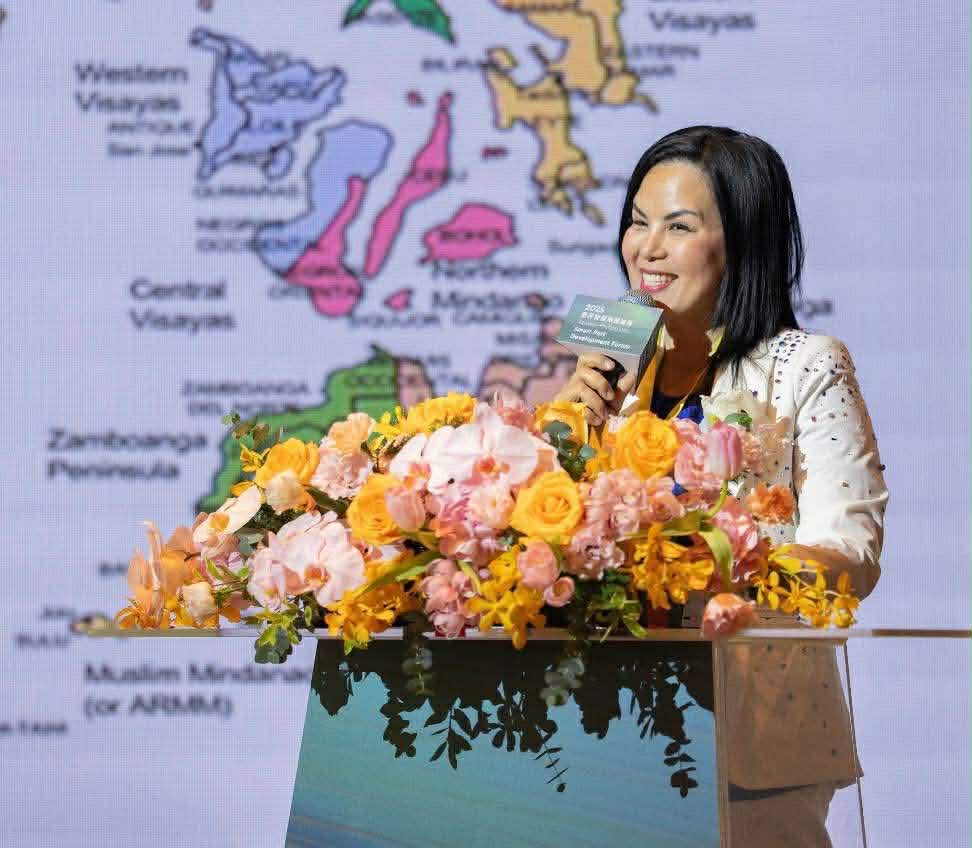
GTBA Founding Chairman Michelle Taylan said the review comes at a critical moment, as the Philippines works to strengthen public trust while accelerating the recovery and long-term competitiveness of its tourism sector.
“We believe it’s time to review and reform our rules on travel tax to make it more effective and equitable. At the end of the day, we want to ensure that the travel tax benefits our tourism industry and local communities,” Taylan said.
Currently, travel tax revenues are allocated among the Tourism Infrastructure and Enterprise Zone Authority (TIEZA), the Commission on Higher Education (CHED), and the National Commission for Culture and the Arts (NCCA).
While these agencies play important roles, GTBA noted that the direct and measurable impact of travel tax collections on tourism infrastructure development, destination readiness, and global promotion remains unclear to both industry stakeholders and the traveling public.
Publicly available data shows that travel tax collections amount to several billions of pesos annually, making it one of the more consistent revenue sources tied to outbound travel.
However, GTBA emphasized that revenue size alone should not be the measure of success. What matters is whether these funds are being translated into visible improvements in tourism sites, enhanced visitor experiences, and stronger destination marketing that can benefit both domestic and inbound tourism in the long run.
“Let’s not jump the gun and move to scrap travel taxes altogether,” Taylan said. “I think what we need is a comprehensive review. Let the people know where the money is going. If we see that it’s being earmarked for tourism projects and the development of our tourism sites, then it’s something we would want to keep to improve the industry.”
As part of its position, GTBA put forward a set of policy proposals aimed at making the travel tax more responsive to current economic realities and global tourism standards.
These include reducing the tax amount to a more competitive range of ₱300 to ₱500, easing the cost burden on Filipino travelers while maintaining revenue potential for tourism-related programs.
GTBA also recommended allocating travel tax funds for high-impact tourism projects, such as site upgrades, sustainability initiatives, digital promotion, and community-based tourism development. The organization further called for broader travel tax exemptions for specific groups, including overseas Filipino workers (OFWs), persons with disabilities (PWDs), and students, who often travel for work, education, or essential purposes rather than leisure.
Other proposals include implementing a tiered travel tax system based on destination or travel class, strengthening transparency and public reporting on travel tax collection and allocation, and formally engaging tourism stakeholders in discussions on long-term reform.
“We want our travel tax to be competitive and reflective of the current global tourism standards,” Taylan said. “The GTBA is committed to help the government bridge this gap, and make sure tourism revenues are being used to benefit the industry.”
GTBA reiterated that it looks forward to constructive dialogue with lawmakers, government agencies, and private sector partners, underscoring that meaningful reform begins with open data, inclusive consultation, and a shared commitment to improving Philippine tourism as a whole.