
ASEAN MSME Summit 2026: Philippines Unveils Five Regional Projects to Support Small Businesses
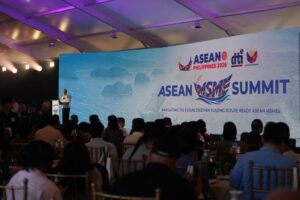
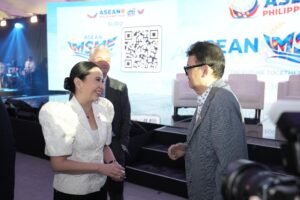
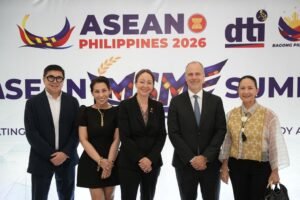
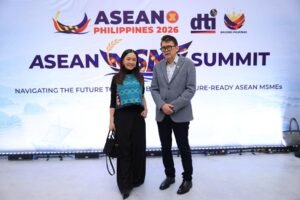
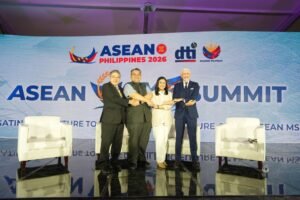
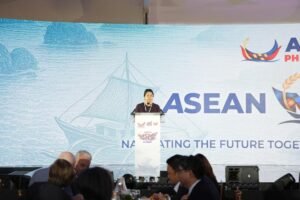
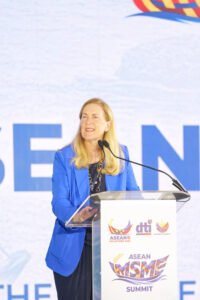
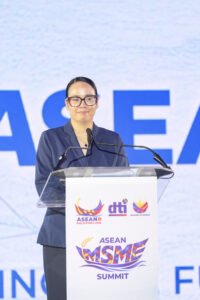
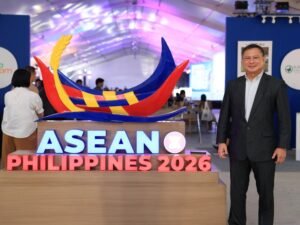
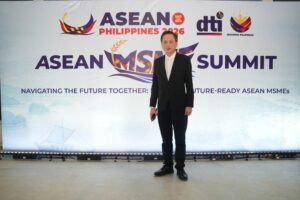
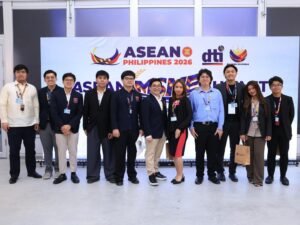
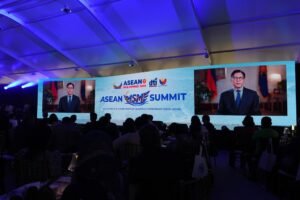
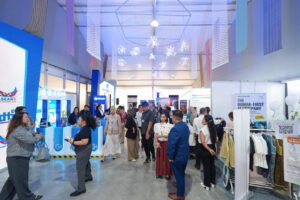
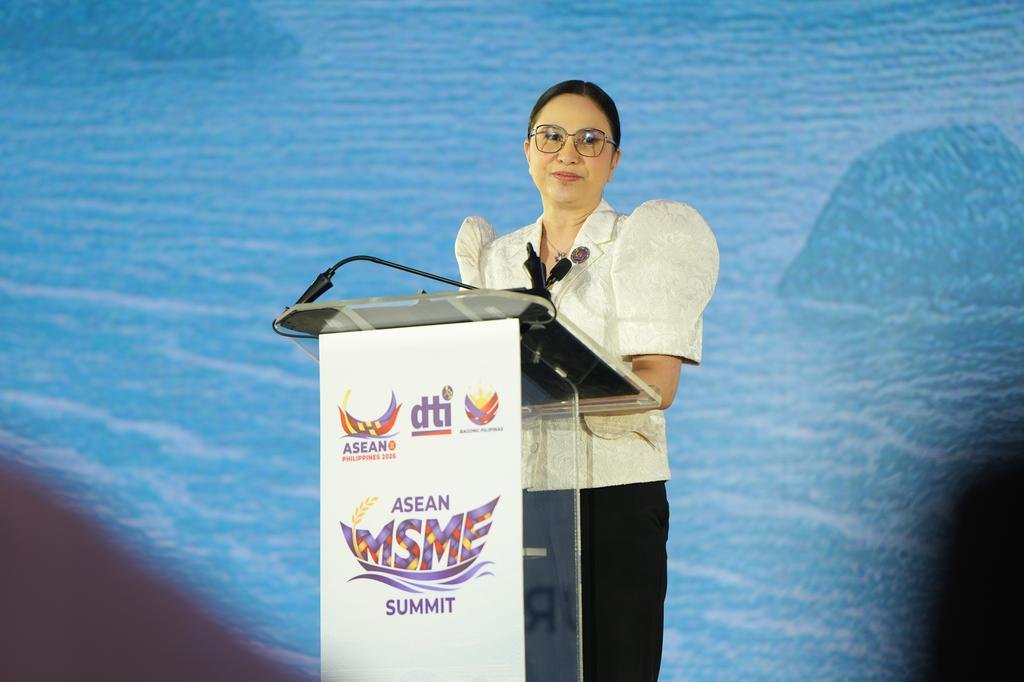
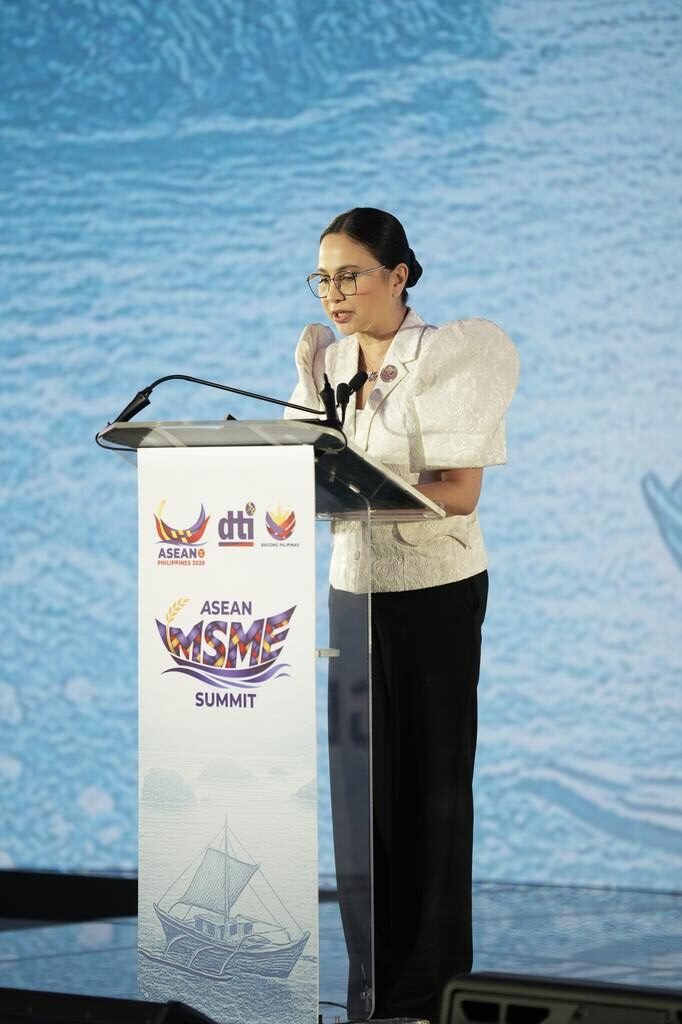
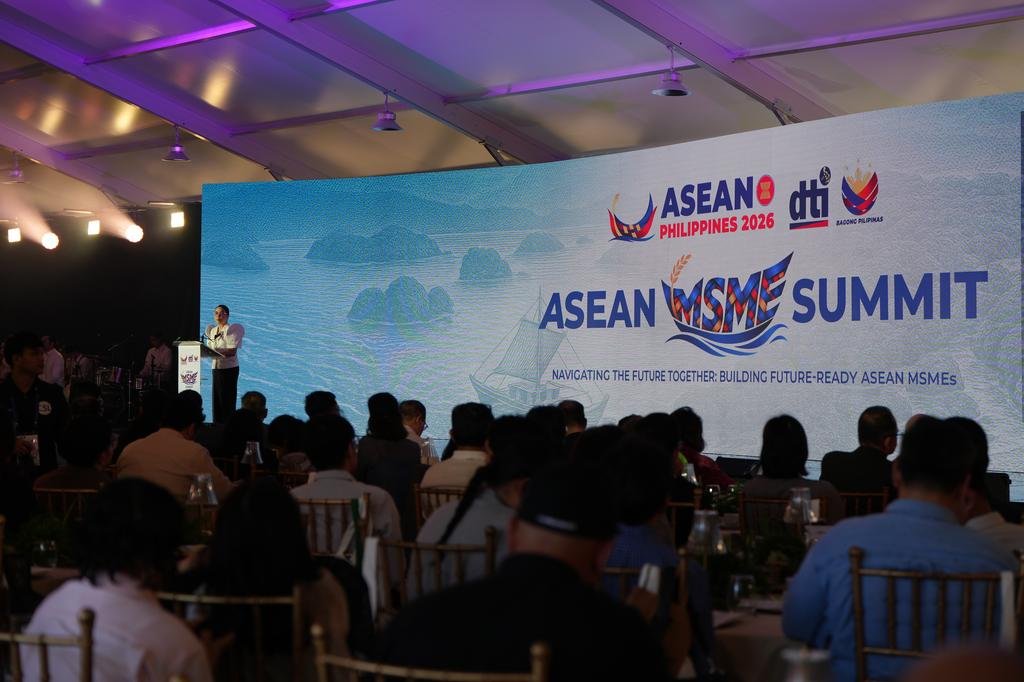
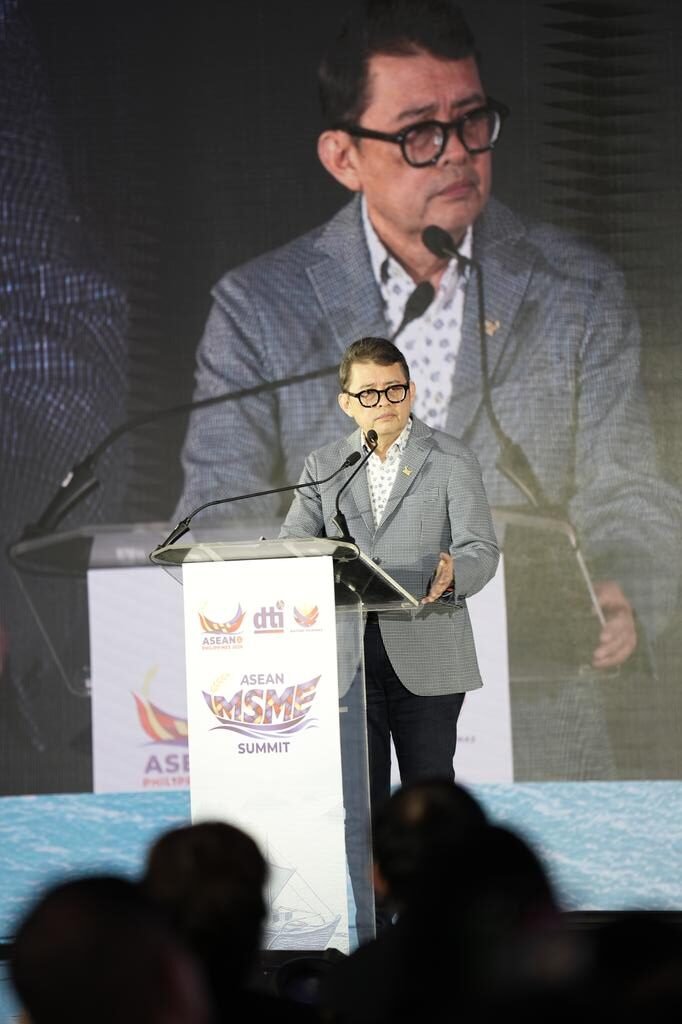
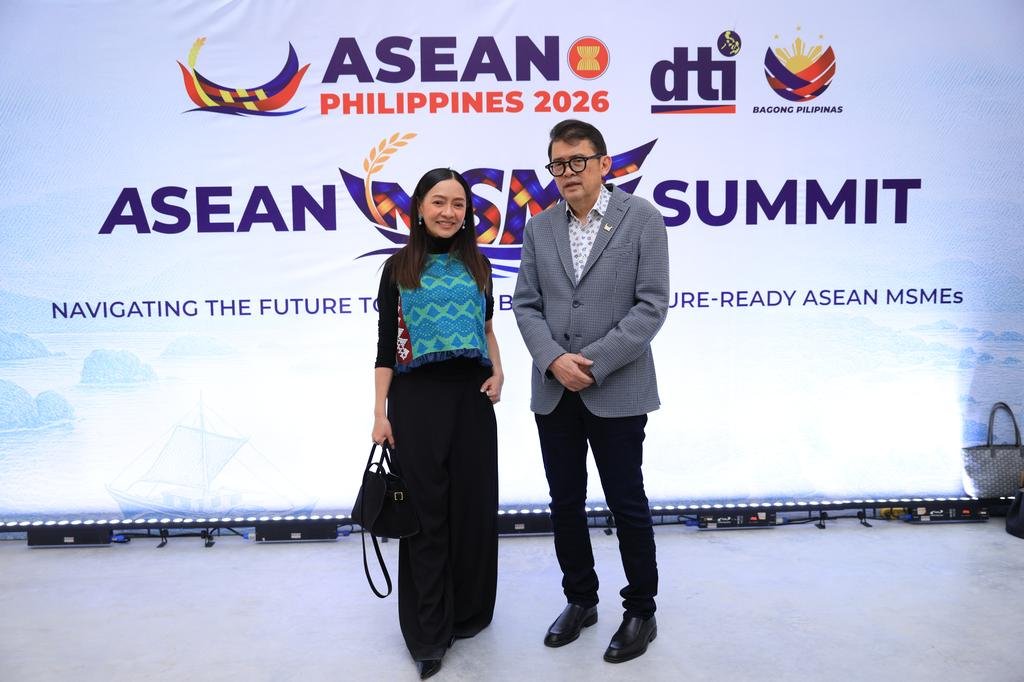
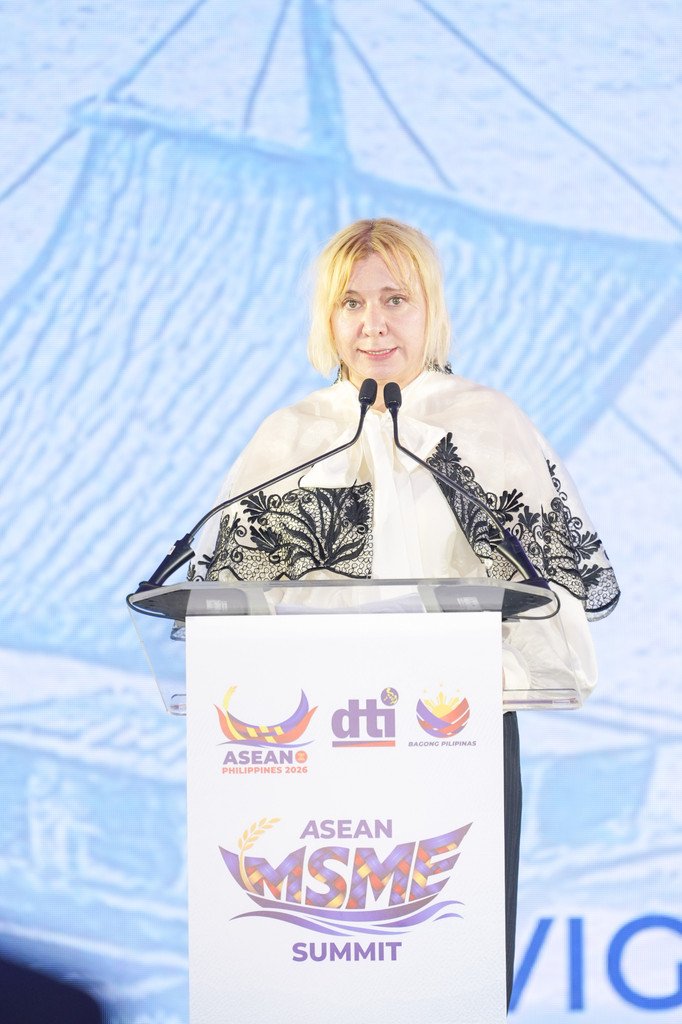
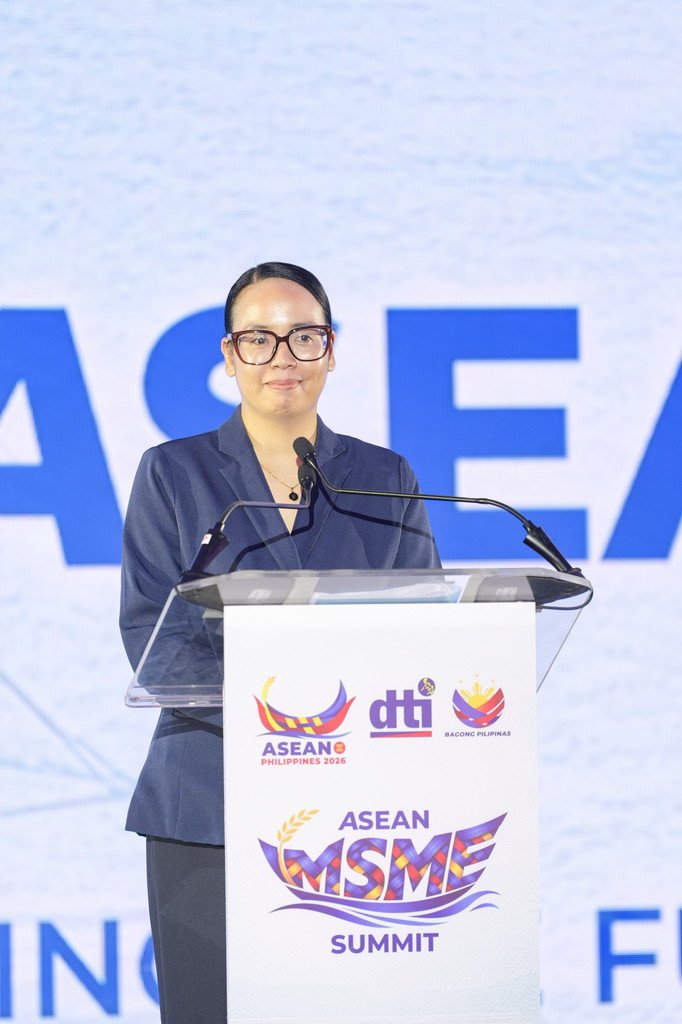
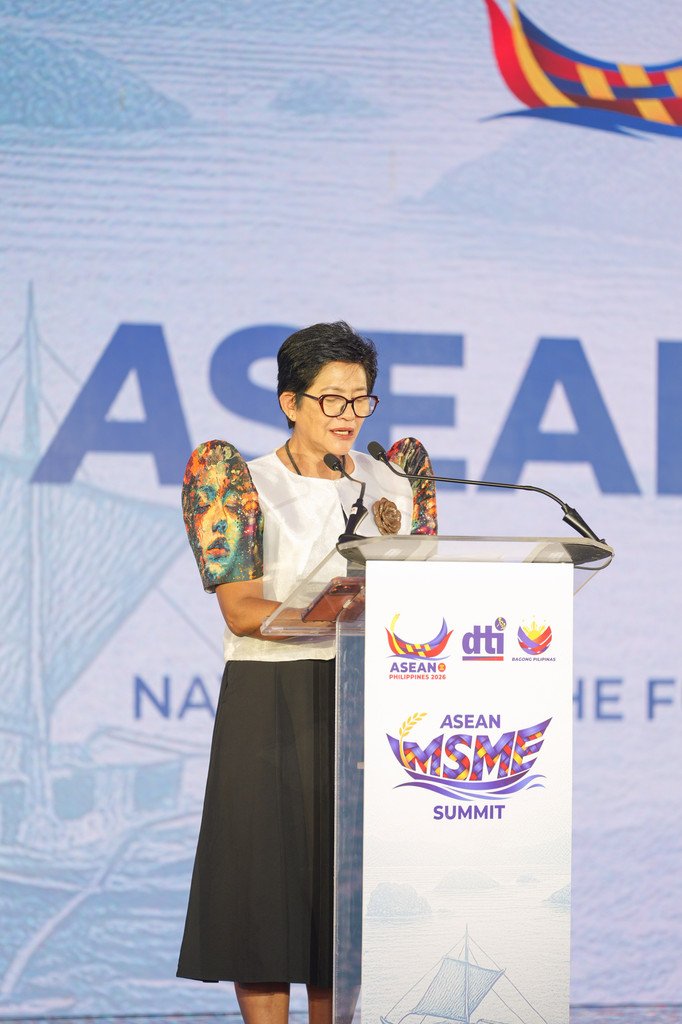
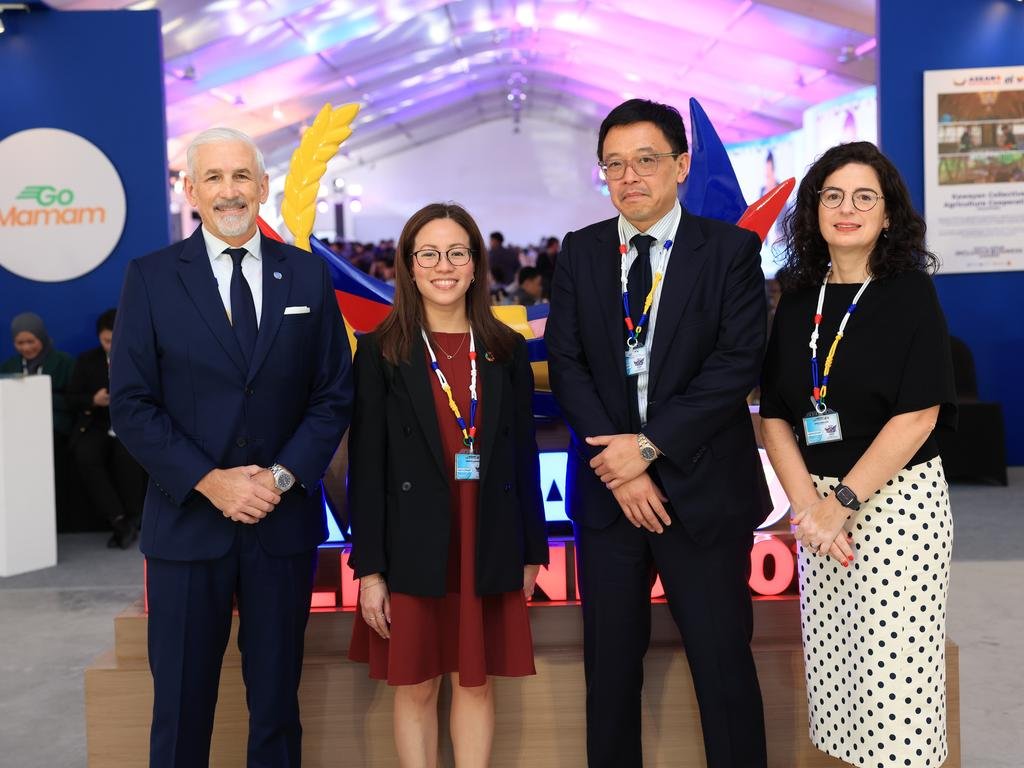
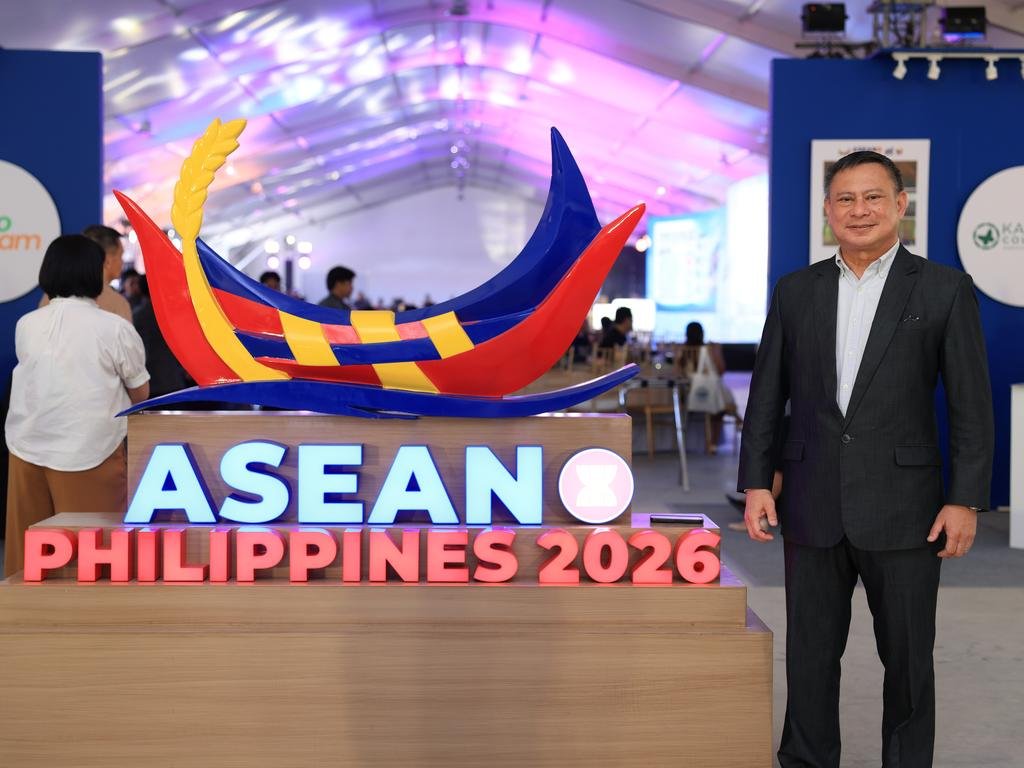
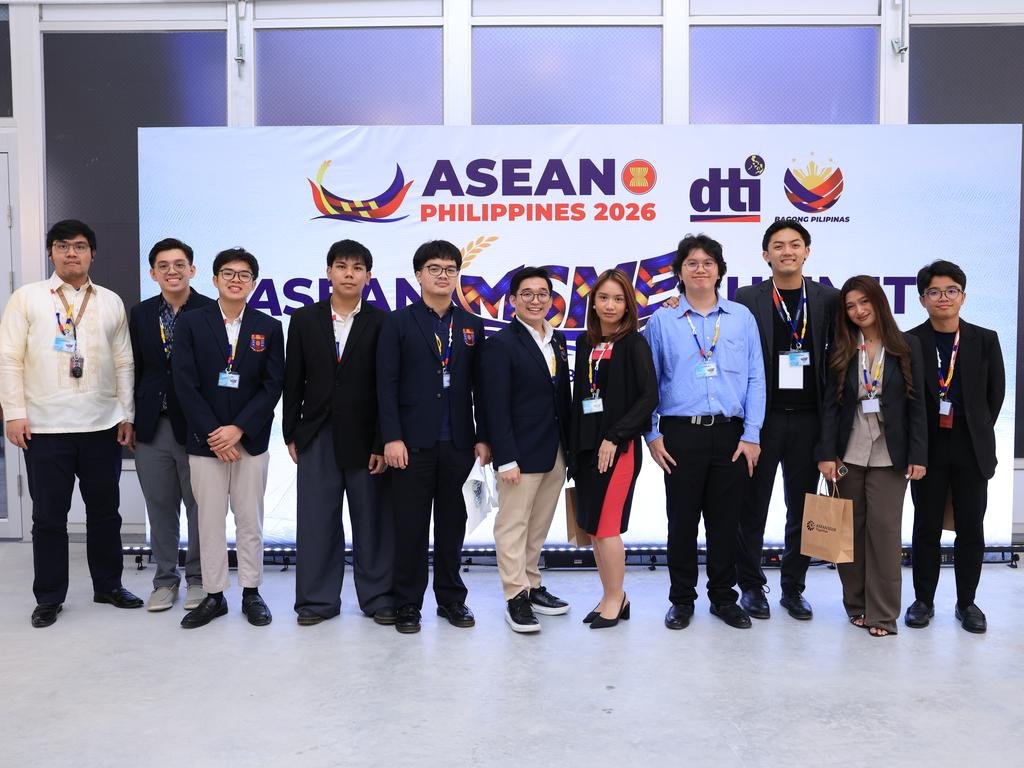
The Philippines strengthened its commitment to small business development across Southeast Asia as it hosted the ASEAN MSME Summit 2026 on September 21 at the Likhang Filipino Exhibition Hall in Pasay City.
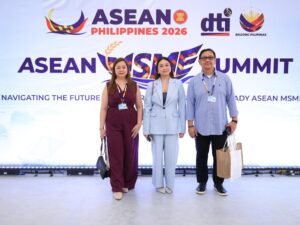
Organized by the Department of Trade and Industry (DTI) in partnership with the ASEAN–Business Advisory Council (BAC) Philippines, the summit brought together government officials, business leaders, entrepreneurs, and regional stakeholders to explore opportunities for making micro, small, and medium enterprises (MSMEs) more competitive, sustainable, and ready for the digital economy.
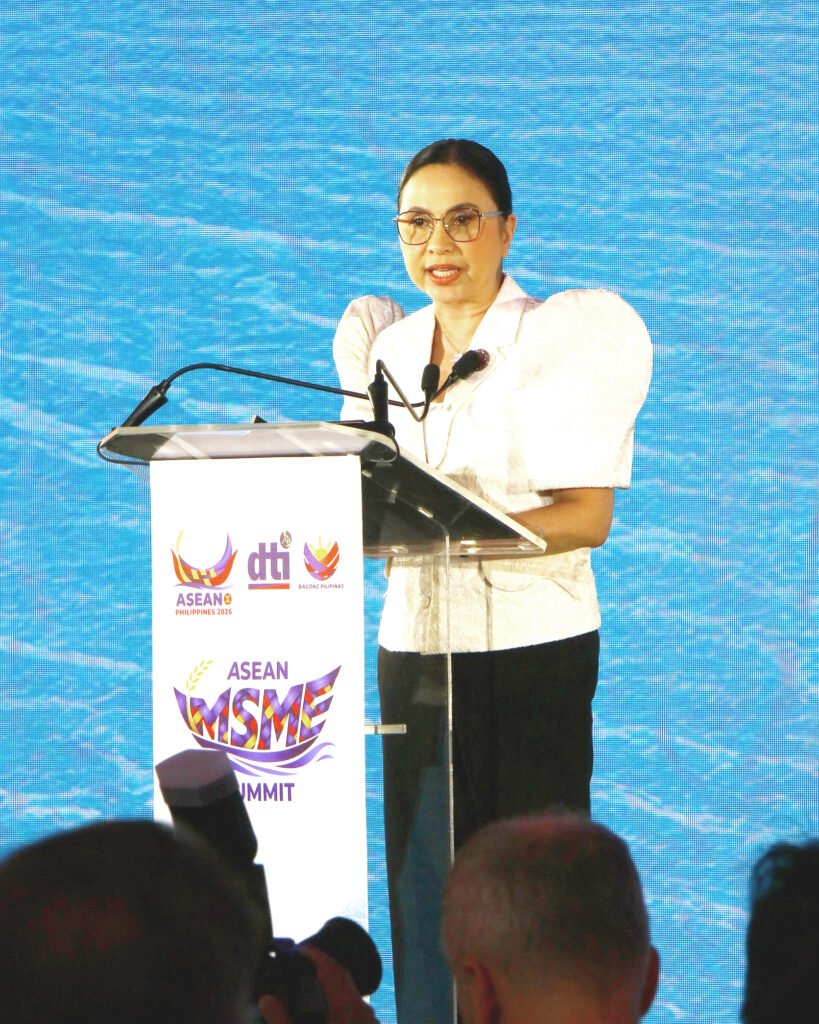
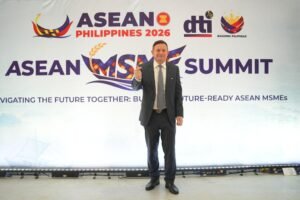
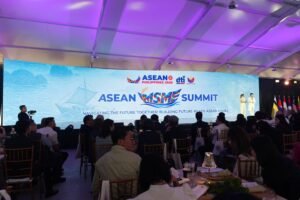
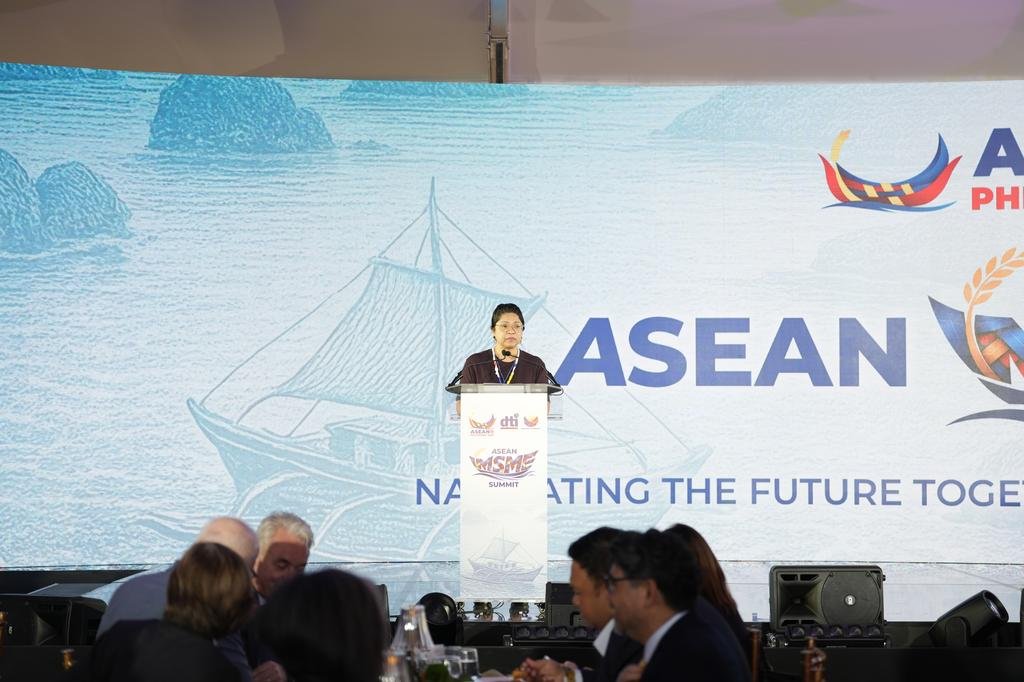
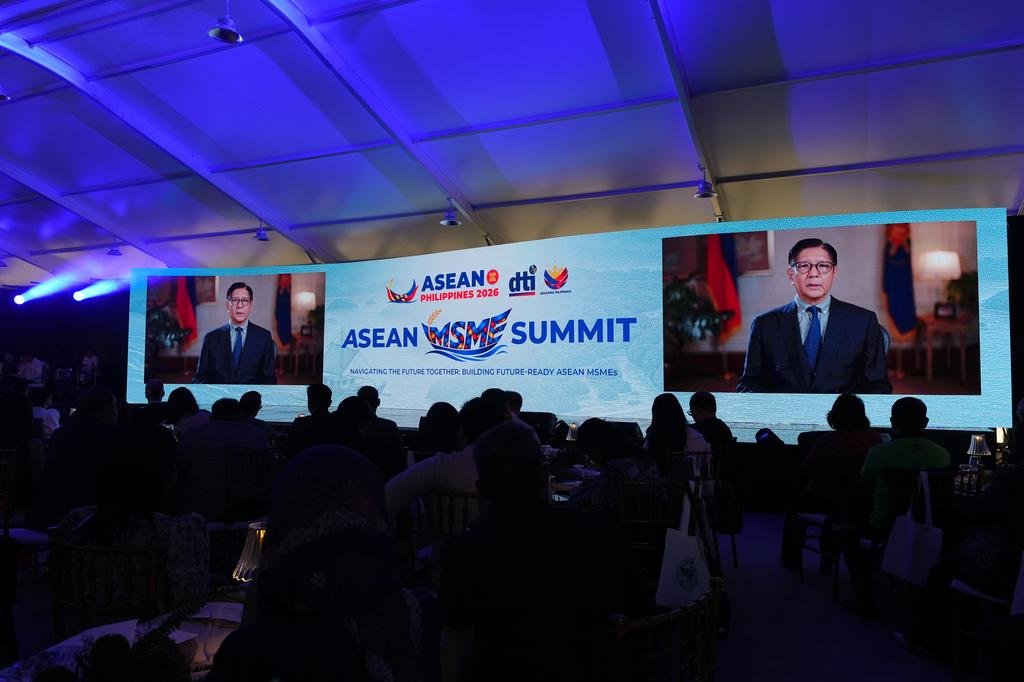
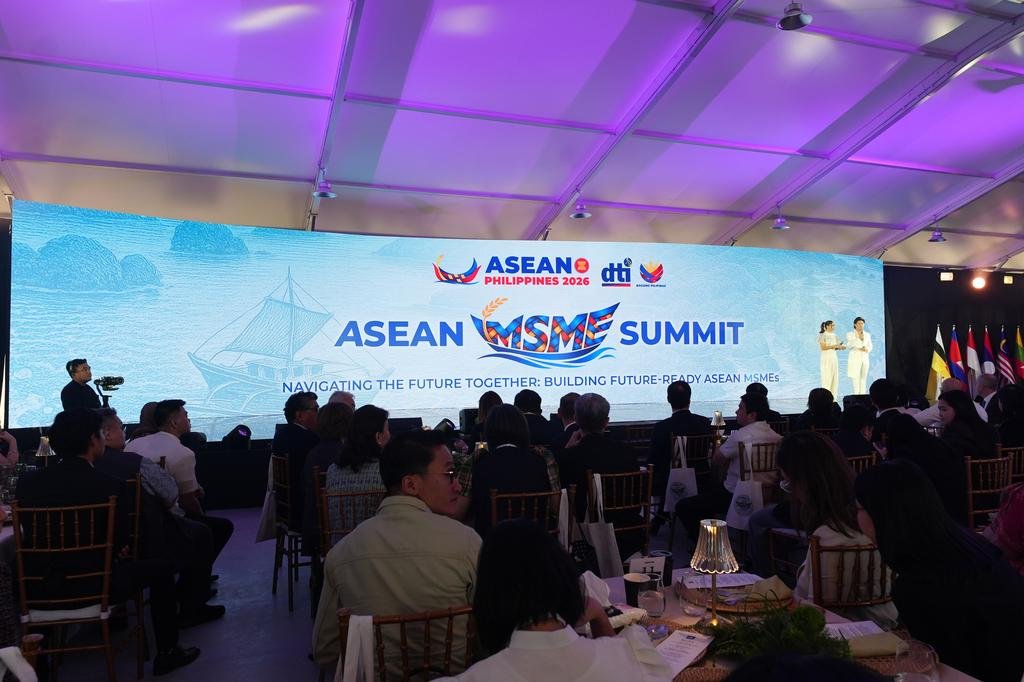
Held under the theme “Navigating the Future Together: Building Future-Ready ASEAN MSMEs,” the summit focused on strengthening regional cooperation and helping small businesses adapt to changing market conditions. The event was supported by the MSME Development Council and coordinated with the ASEAN Coordinating Committee on MSMEs (ACCMSME) and the ASEAN Secretariat.
ASEAN MSME Summit 2026 Focuses on Digital Growth and Regional Competitiveness
The ASEAN MSME Summit 2026 highlighted the importance of public-private partnerships in helping businesses access new markets, financing, technology, and sustainable business practices.
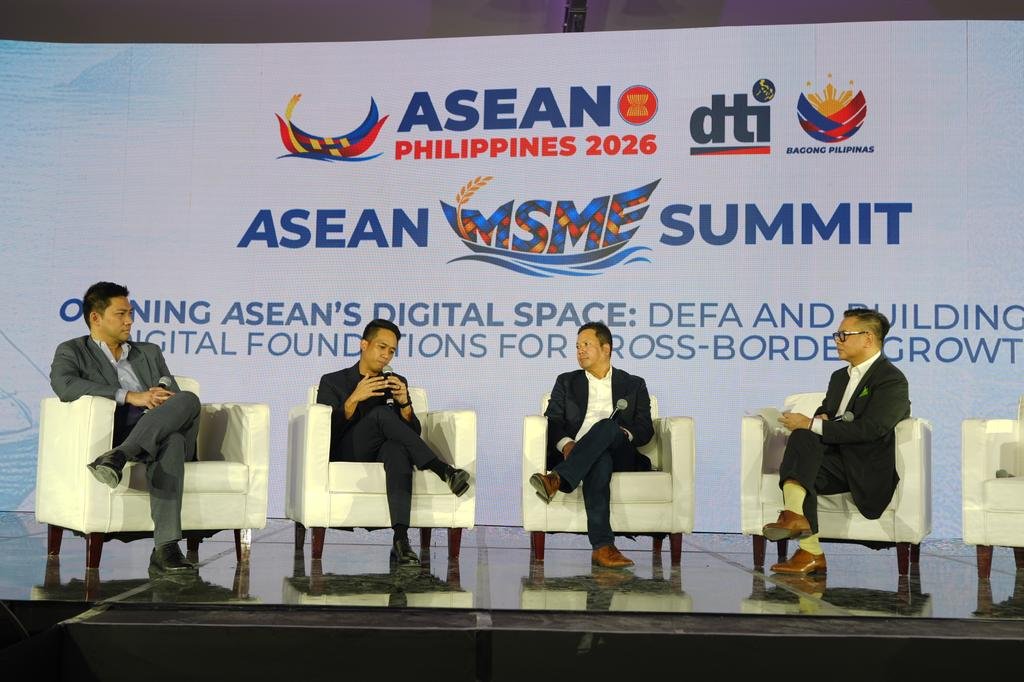
Discussions addressed persistent challenges facing MSMEs across Southeast Asia, particularly access to digital marketplaces, financing opportunities, and technologies that can improve business operations. Participants also explored how regional agreements and collaborative initiatives could translate into practical support for entrepreneurs and small businesses.
The discussions aligned with major regional development priorities, including the ASEAN Economic Community (AEC) Strategic Plan 2026–2030, the ASEAN Digital Economy Framework Agreement (DEFA), and the Strategic Action Plan for MSME Development (SAP MSMED) 2026–2030.
By bringing together public and private sector representatives, the summit provided a platform for identifying ways to strengthen the MSME ecosystem and expand opportunities for businesses seeking to grow beyond their domestic markets.
Philippines Introduces Five ASEAN Legacy Projects for MSME Development
A key highlight of the summit was the Philippines’ presentation of five ASEAN legacy projects designed to support MSME development through business platforms, mentorship, sustainability training, research, and cross-border e-commerce.
Three initiatives focus on providing platforms and practical support for business growth.
1. ASEAN Center of Excellence for MSMEs (ACE–MSMEs)
The ASEAN Center of Excellence for MSMEs aims to make ASEAN business programs and training opportunities more accessible through a centralized platform. The initiative is designed to help entrepreneurs navigate available resources and identify opportunities to strengthen their businesses.
2. ASEAN Mentorship for Entrepreneurs Network (AMEN) 2.0
AMEN 2.0 is an upgraded digital hub connecting entrepreneurs with mentorship, financing, and market opportunities. The initiative seeks to help business owners access resources and connections that can support their development and expansion.
3. SME Sustainability and ESG Accelerator Hubs
Developed with the Global Reporting Initiative (GRI), the SME Sustainability and ESG Accelerator Hubs will provide specialized training to help small businesses meet international sustainability standards. The initiative addresses the growing importance of responsible business practices and environmental, social, and governance (ESG) considerations.
Two additional initiatives focus on research and knowledge sharing to guide MSME development across the region.
4. ERIA MSME Regional Study
The Economic Research Institute for ASEAN and East Asia (ERIA) MSME Regional Study gathers direct private-sector feedback on financing requirements and policy needs. Its findings are intended to contribute to a better understanding of the challenges experienced by businesses throughout the region.
5. ITC Cross-Border E-Commerce Study
The International Trade Centre (ITC) Cross-Border E-Commerce Study provides a practical guide to help small merchants sell their products online across ASEAN borders. The initiative highlights the role of digital commerce in helping businesses reach customers beyond their local markets.
Together, these five legacy projects address several areas critical to MSME development, from access to business support and mentorship to sustainability compliance and international online selling.
DTI Leads Discussions on Expanding ASEAN Business Opportunities
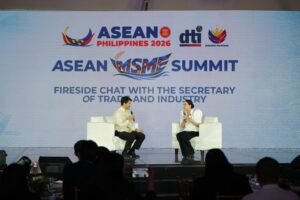
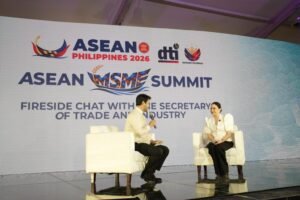
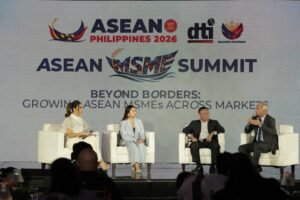
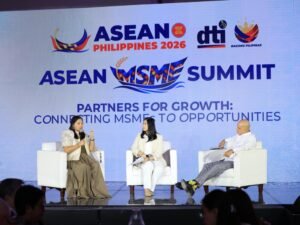
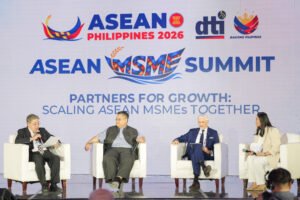
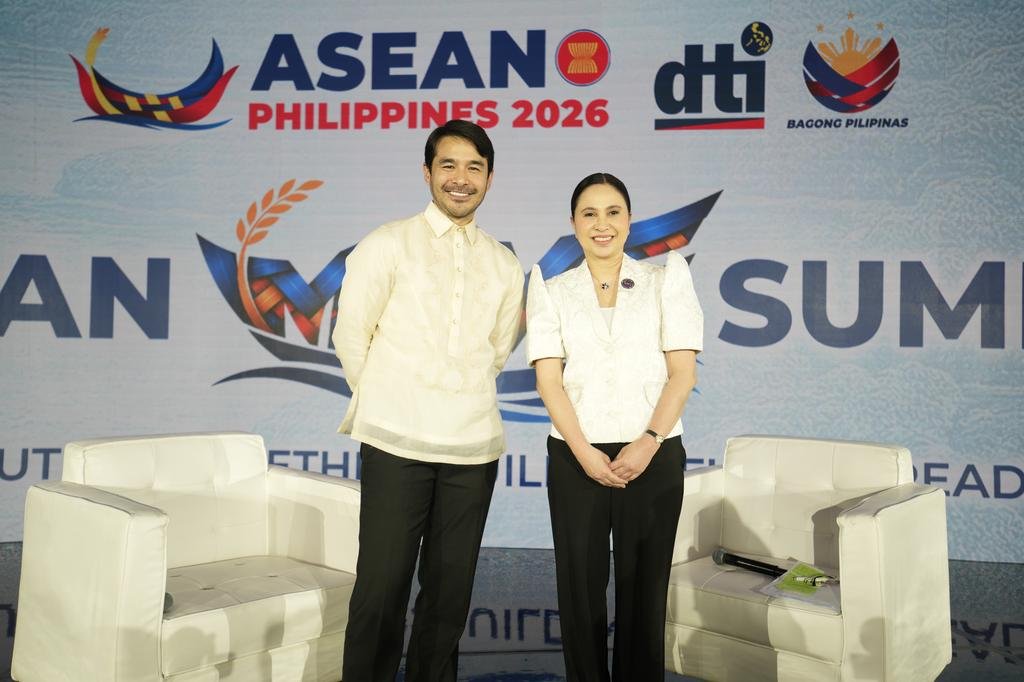
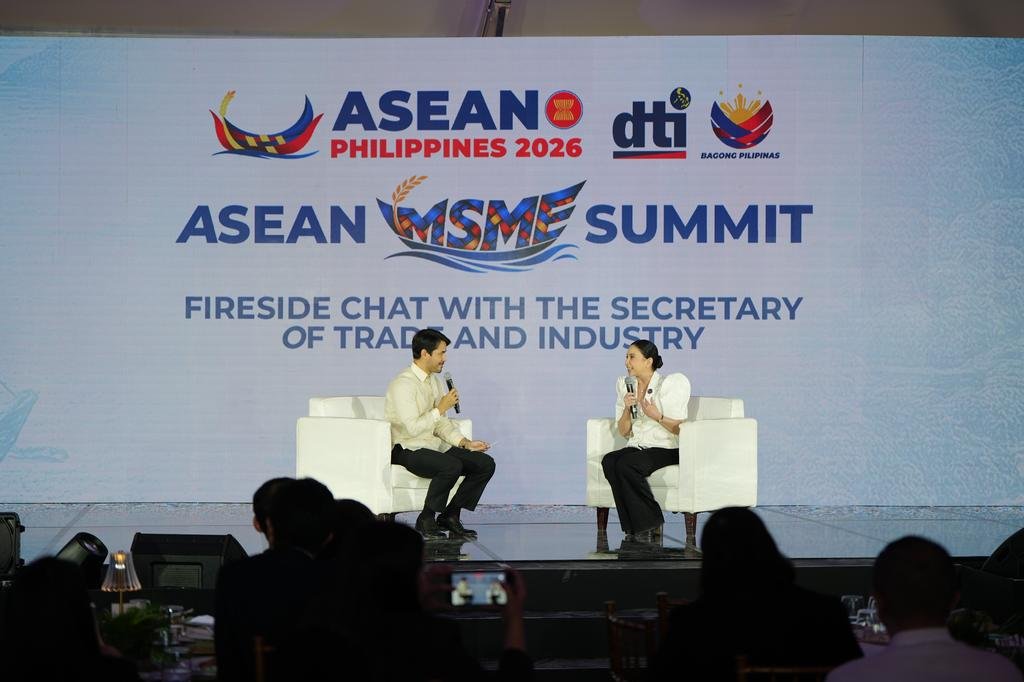
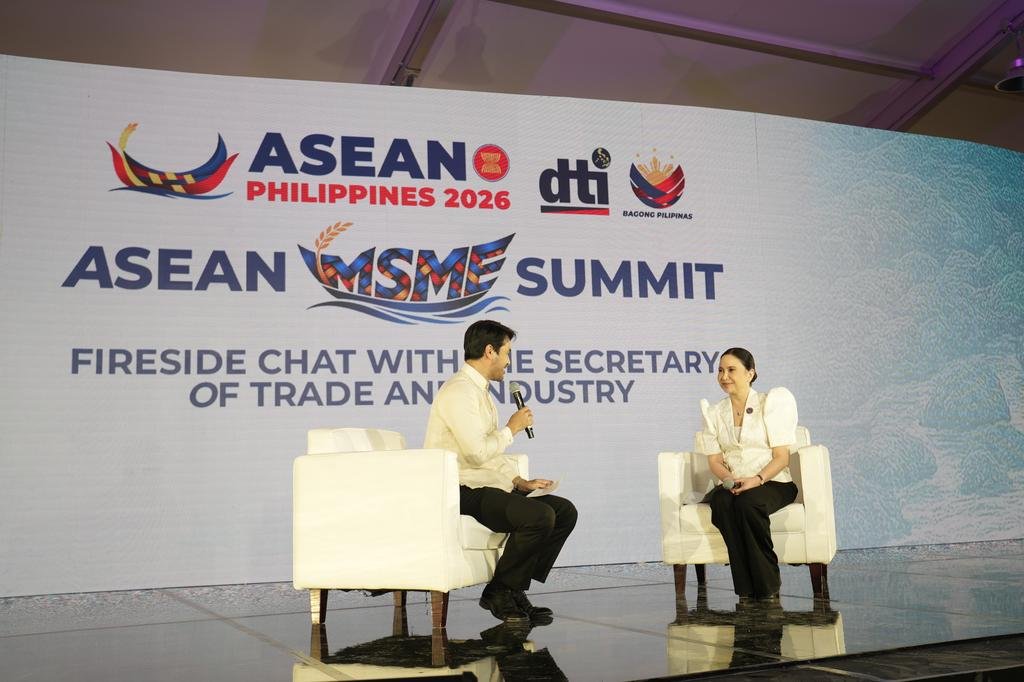
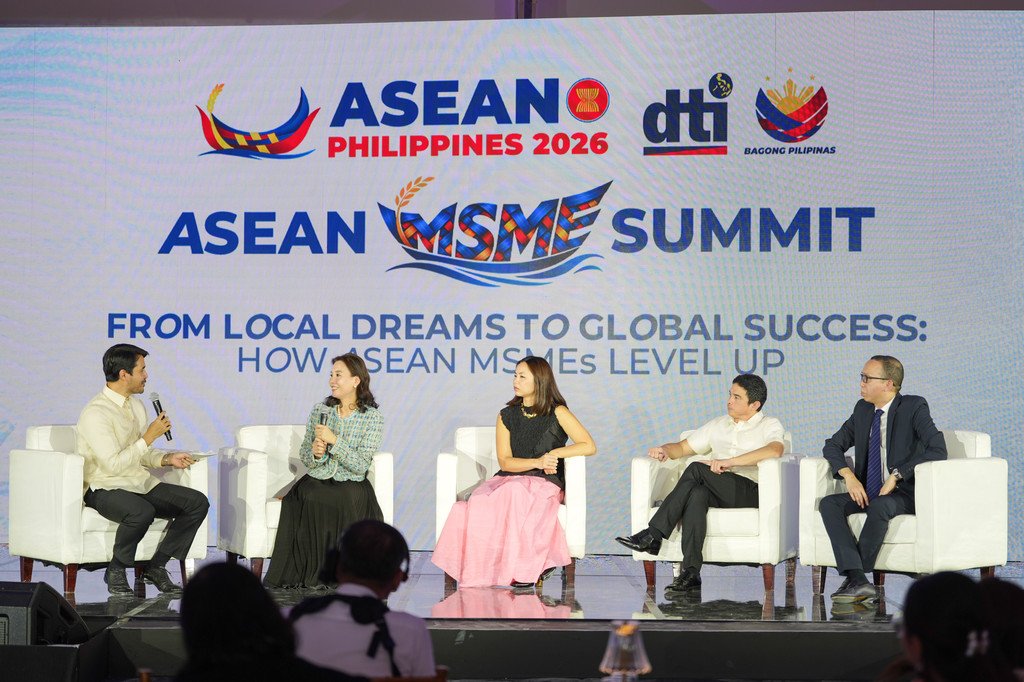
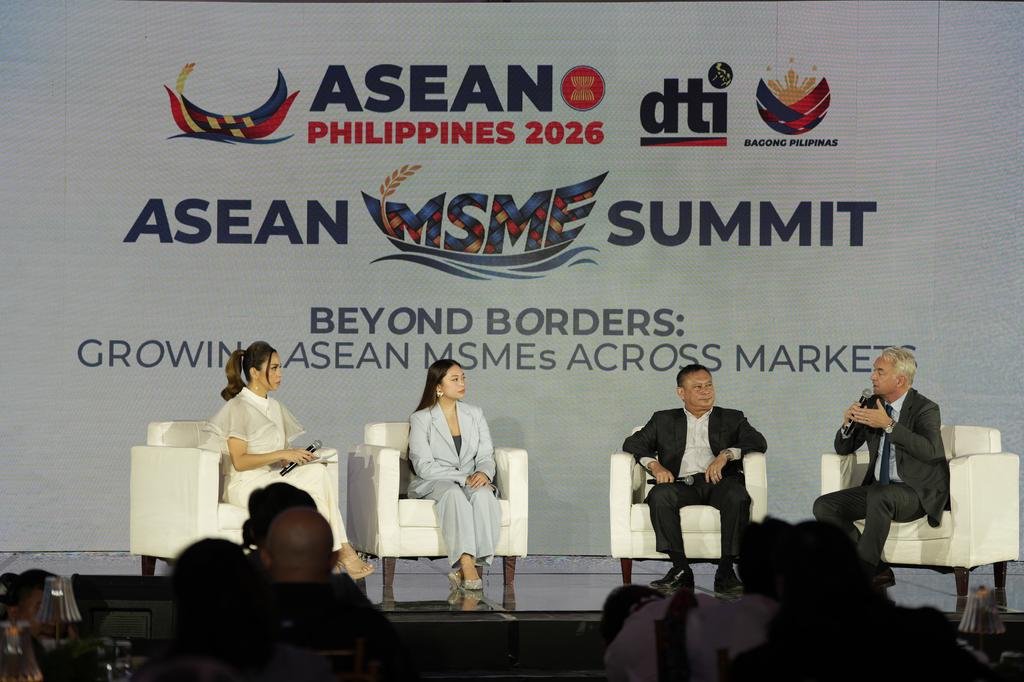
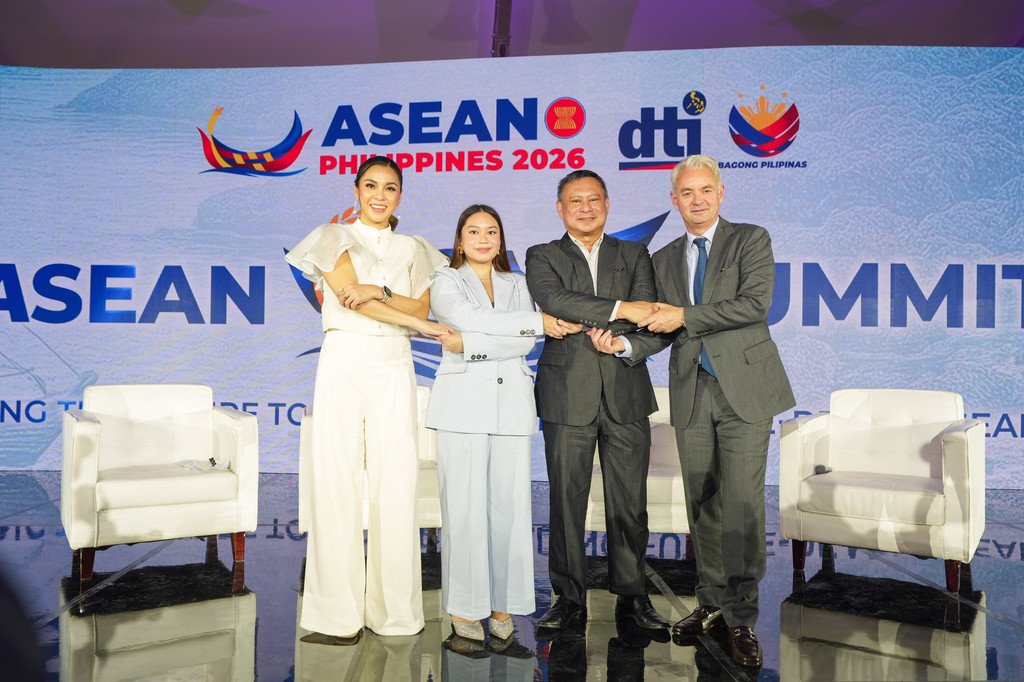
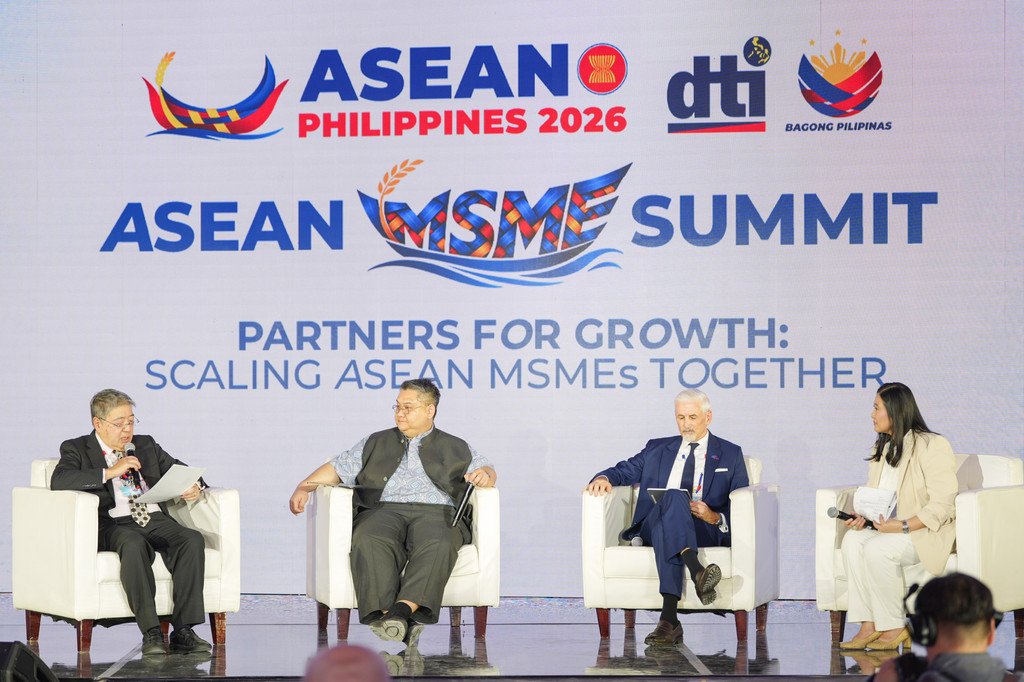
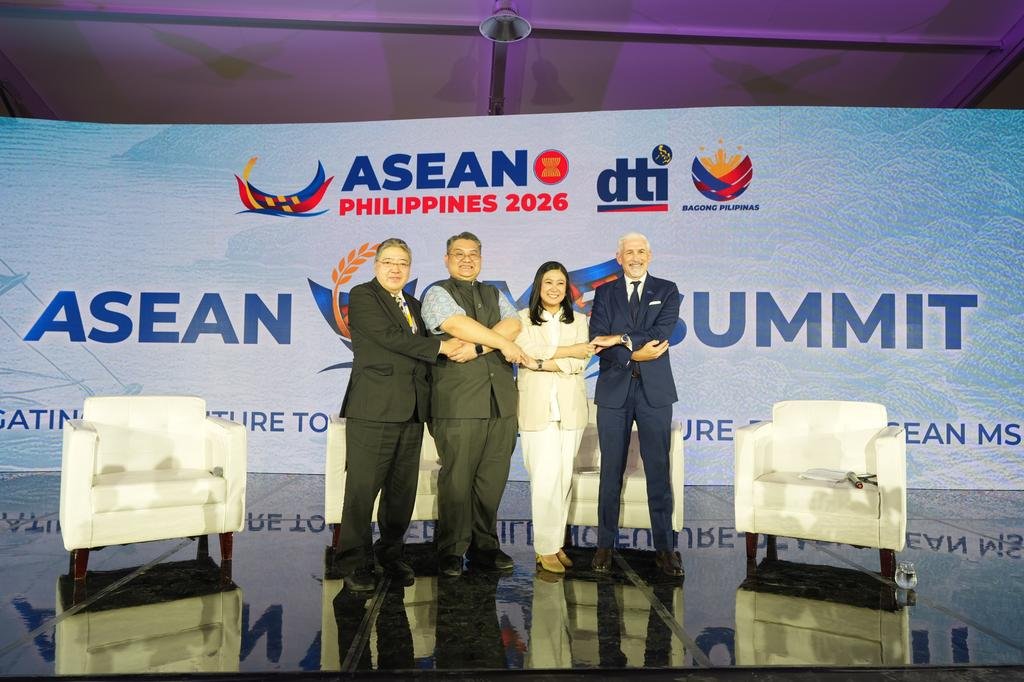
Trade and Industry Secretary Ma. Cristina A. Roque, Chair of the ASEAN Economic Ministers 2026, led the Philippine delegation in key summit discussions and moderated the opening keynote panel on helping ASEAN MSMEs scale from local markets to the global stage.
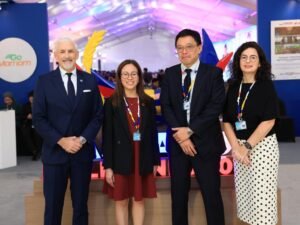
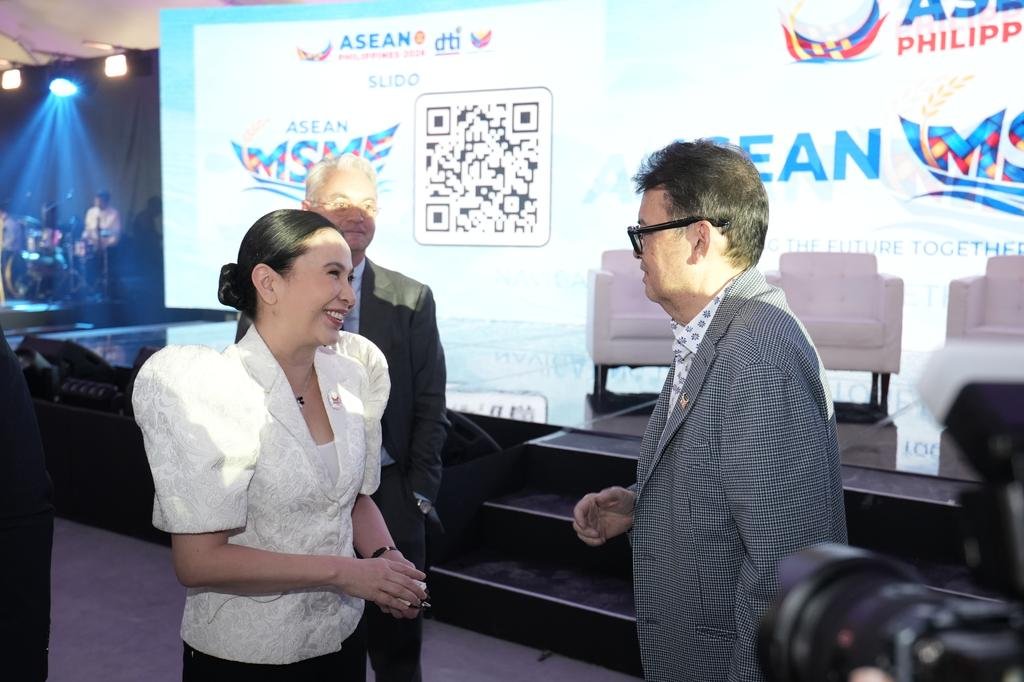
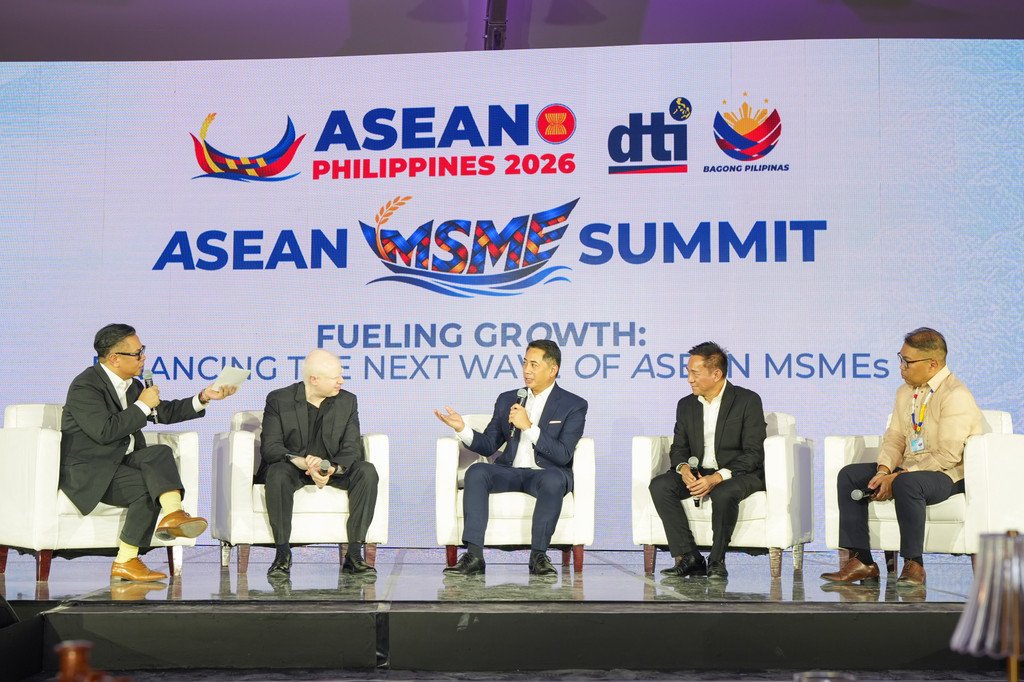
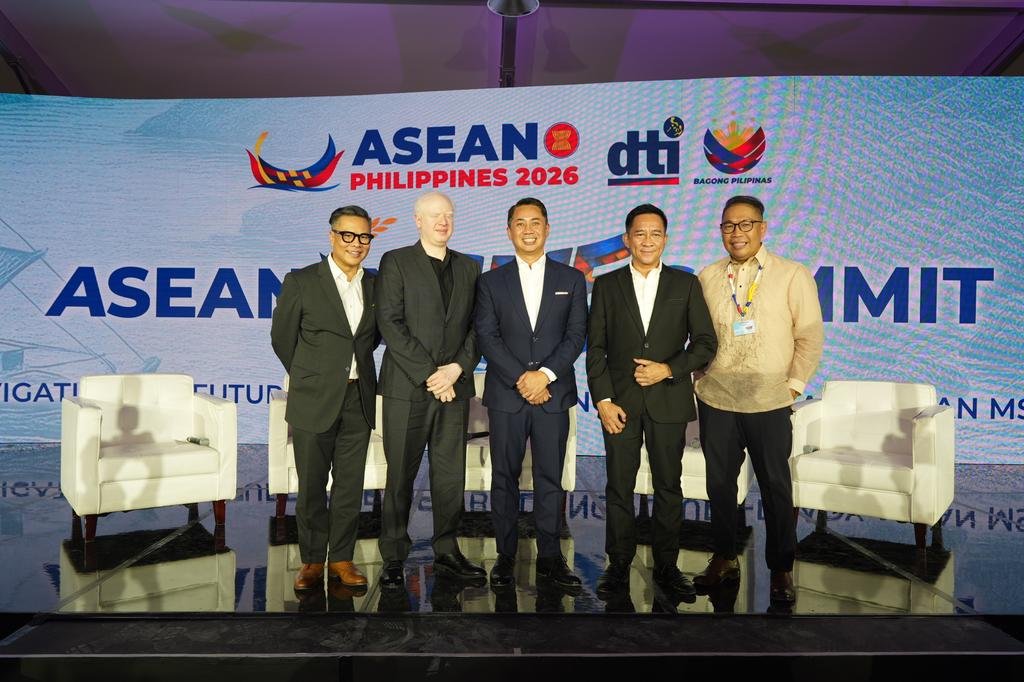
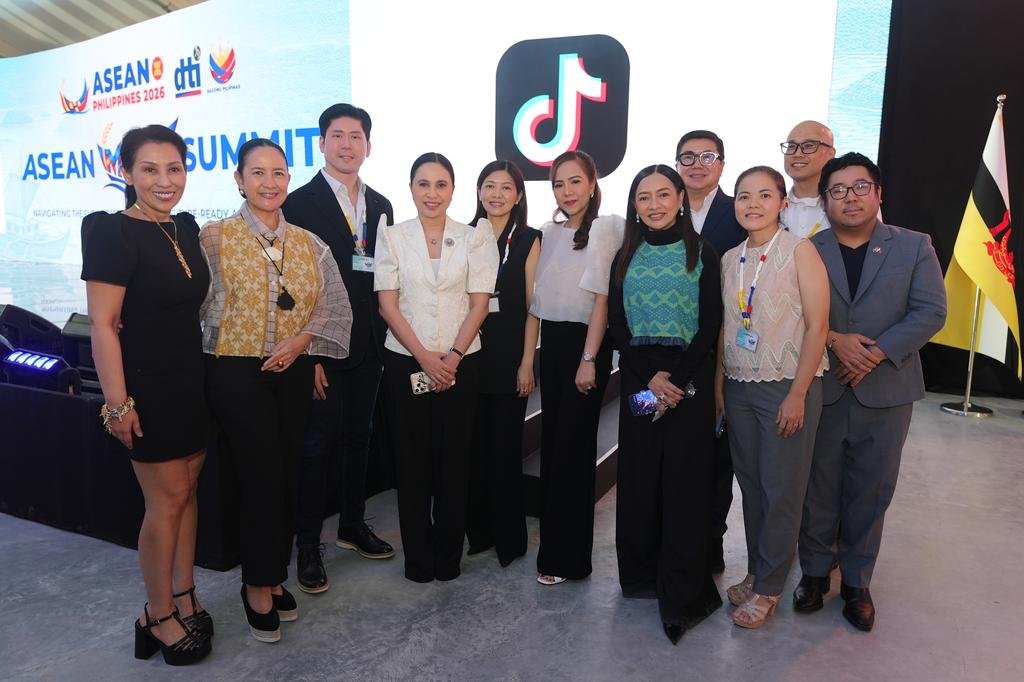
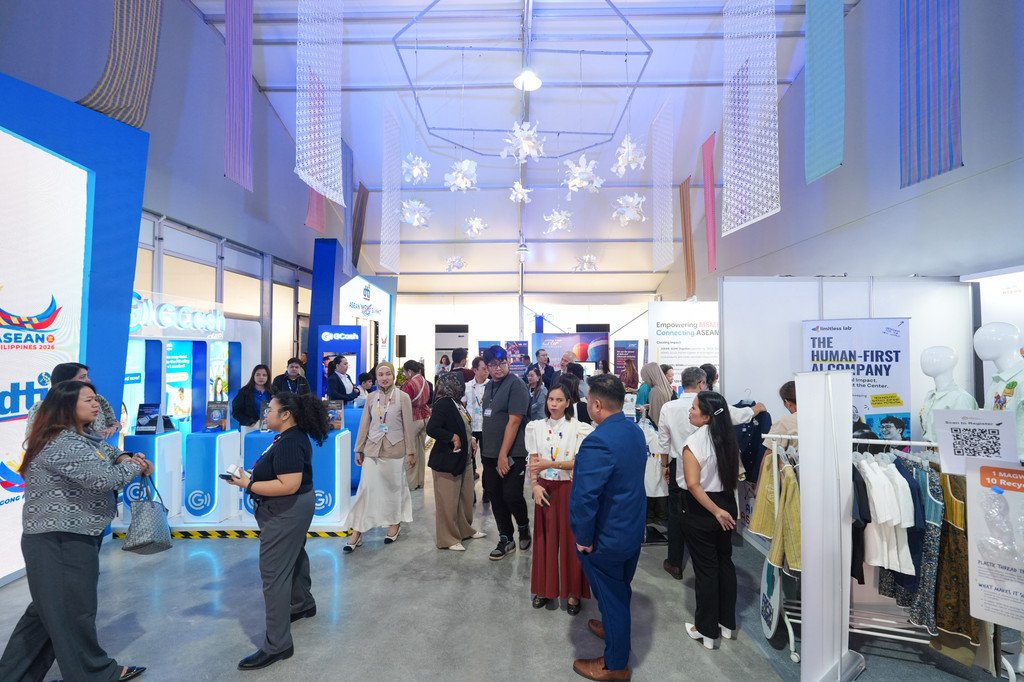
The summit brought together trade ministers, MSME representatives, business organizations, digital partners, financial institutions, development partners, and other stakeholders from across Southeast Asia.
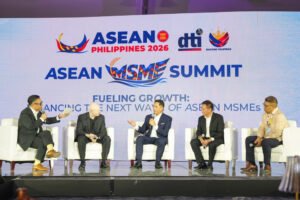
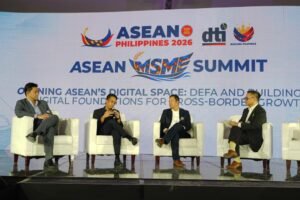
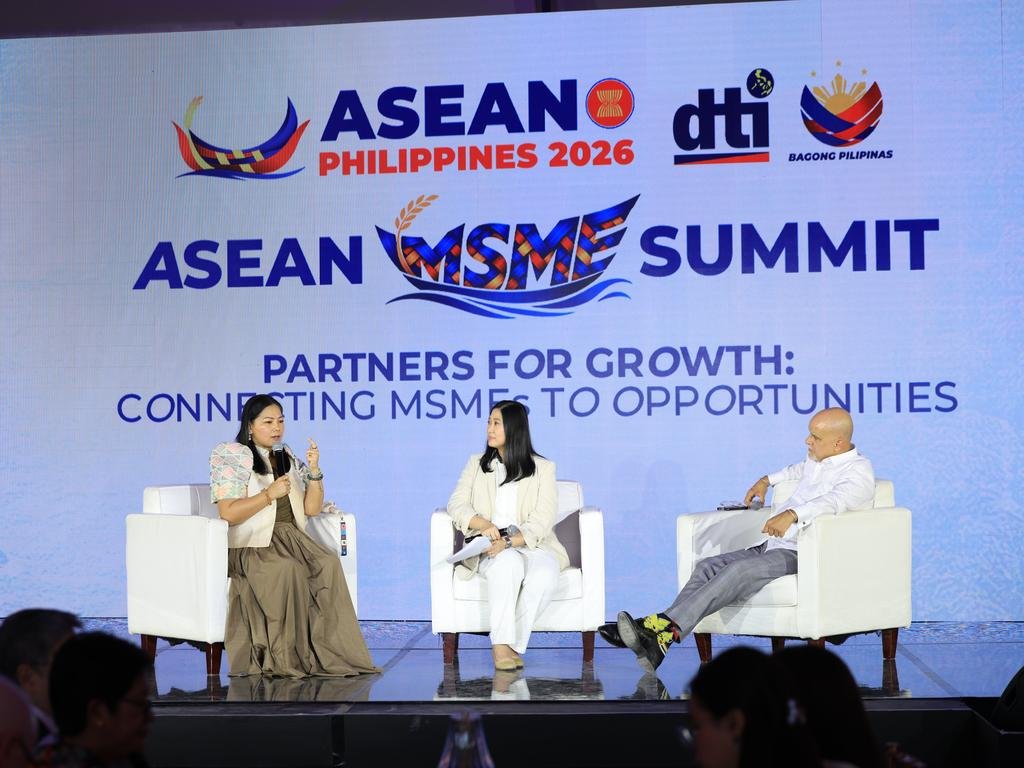
Through plenary sessions and policy dialogues, participants exchanged perspectives on the opportunities and challenges facing regional enterprises. The discussions reinforced the importance of cooperation among governments, businesses, and supporting institutions in building a more innovative, resilient, and globally competitive MSME sector.
Building a Future-Ready MSME Sector in Southeast Asia
The ASEAN MSME Summit 2026 underscored the need for practical, coordinated support to help small businesses respond to digital transformation, evolving market demands, and sustainability requirements.
For MSMEs, improved access to mentorship, financing, technology, training, and cross-border e-commerce resources can help create pathways for business expansion. Regional collaboration can also help entrepreneurs identify opportunities beyond their home markets and better understand the requirements of competing internationally.
With the Philippines advancing five ASEAN legacy projects, the summit placed emphasis on initiatives intended to strengthen business support systems and encourage more inclusive economic participation across Southeast Asia.
The event reinforced a shared regional objective: to help ASEAN MSMEs become more adaptable, sustainable, and competitive in an increasingly connected global economy.

























































Please share this page